
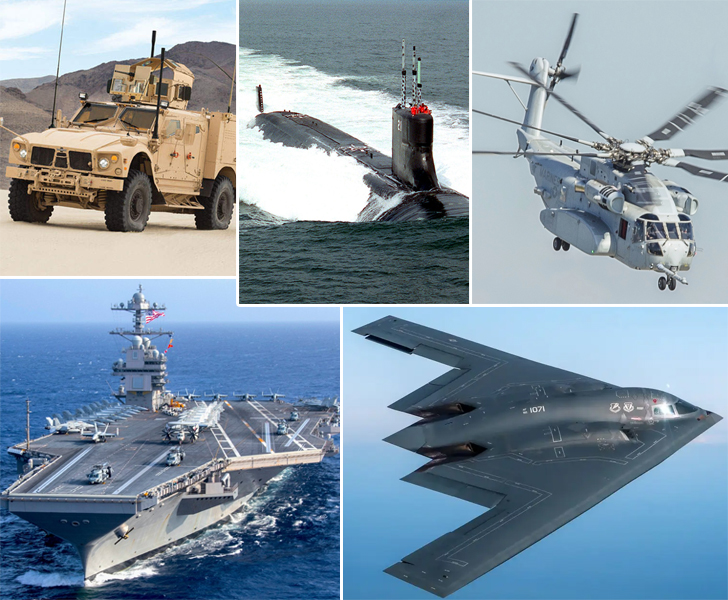
Safeguarding a nation is a critical responsibility. The United States approaches this task with unmatched dedication. Known for having one of the most formidable military forces worldwide, the U.S. government allocates substantial funds to defense, with a defense budget that exceeded $840 billion by 2025/2026.
A significant portion of this budget goes toward its extensive collection of combat-ready aircraft, submarines, and vehicles. We've put together a list showcasing the priciest and most remarkable of these defense assets. From aircraft carriers costing billions to stealth planes that are nearly undetectable, get ready to discover military machines you never knew were possible.
USS Gerald R. Ford – Cost: $13.3 Billion
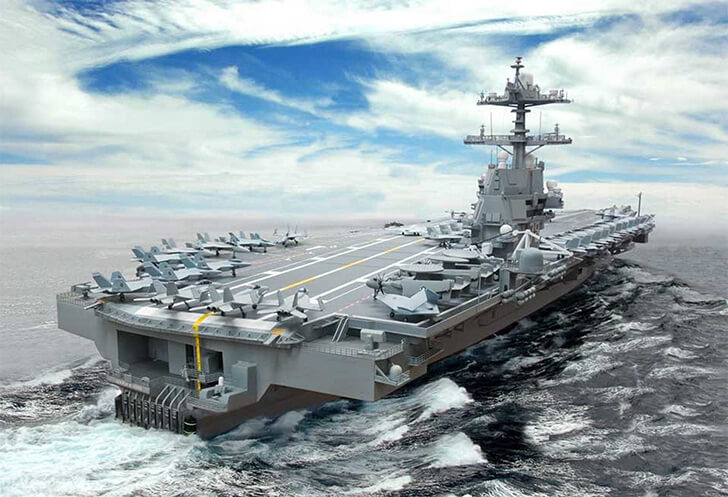
We begin with the USS Gerald Ford, the most expensive naval vessel. According to Bloomberg's 2020 data, completing this aircraft carrier would require $13.3 billion, placing it at the top of the list for the most expensive warships globally. Interestingly enough, its primary role is to serve as a platform for launching and recovering aircraft.
Upon completion, the USS Gerald Ford will stand 250 feet tall and stretch 1,106 feet in length. The latest updates indicate that it successfully underwent a series of evaluations in early 2020 and is currently being equipped with weapons elevators. The ship completed its first full deployment in 2023 and is now an active flagship of the U.S. Navy.
Boeing C-17A Globemaster III – Price Tag: $340 Million
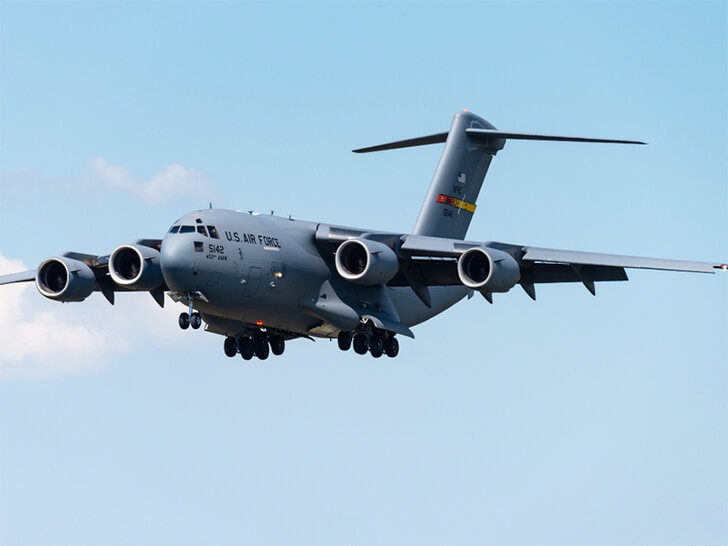
The Boeing C-17 Globemaster III stands as the most adaptable and reliable cargo aircraft in modern aviation, serving as the backbone for the United States Air Force and several international allies, including India, Australia, and the UK. Capable of hauling up to 170,900 pounds of freight, including M1 Abrams tanks and combat-ready troops, it excels in "austere" environments, landing on short, unpaved runways as small as 3,500 feet.
Though production officially ended in 2015, the aircraft remains a multi-billion-dollar asset due to its 24/7 global reach and its ability to be rapidly converted into an air ambulance or a long-range strategic delivery platform.
Bell Boeing V-22 Osprey – Price: $70 Million
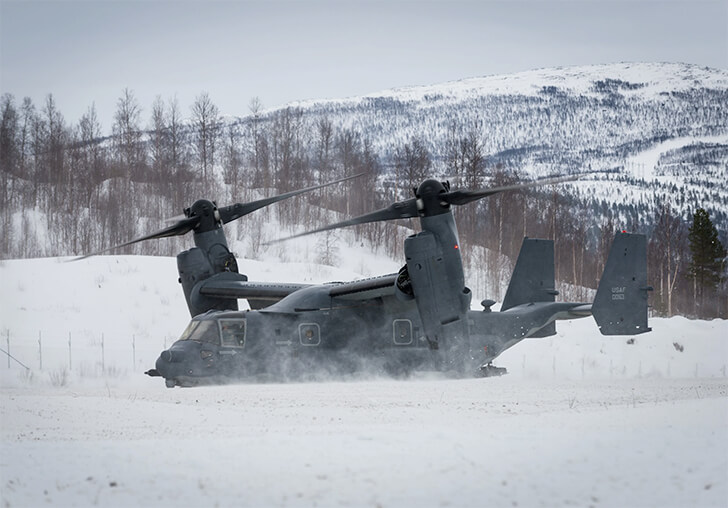
You might already be aware that Boeing's expertise extends beyond commercial airliners and luxury jets. One of their notable defense products is the Bell Boeing V-22 Osprey, developed in partnership with Bell. This versatile aircraft, designed for amphibious operations, is primarily utilized by the Marine Corps.
This aircraft serves as a logistical support vehicle for both personnel and supplies, with a maximum takeoff weight of 52,600 pounds and a payload capacity of up to 20,000 pounds of internal cargo. Initially adopted by U.S. forces in Iraq in 2008 with some hesitation, its ability to reach altitudes of 25,000 feet soon proved advantageous, keeping it out of reach of ground-based threats.
Lockheed Martin VH-71 Kestrel – Price: $241 Million
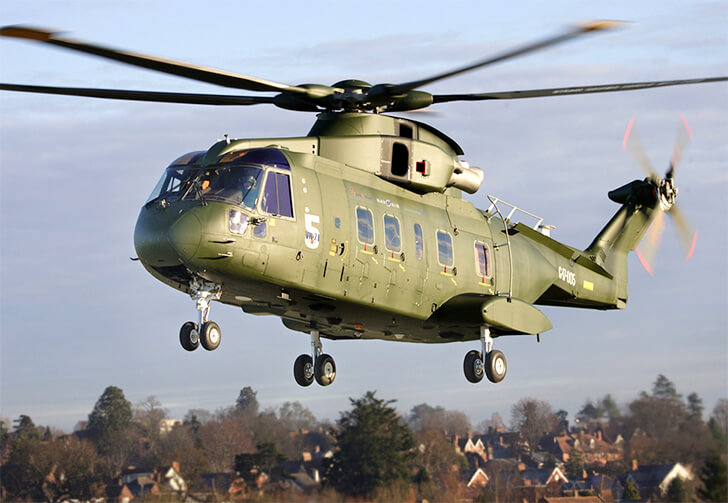
The utmost priority is the security of the President of the United States. Hence, it was expected that a significant investment would be made for a modern fleet of presidential helicopters in the early 2000s. This led to the development of the Lockheed Martin VH-71 Kestrel.
Initially intended for search-and-rescue missions, the VH-71 Kestrel was transformed into an 18-passenger helicopter capable of operating in any weather. However, production faced financial hurdles and was halted in 2009. In 2011, these helicopters were sold to Canada for $164 million.
Lockheed Martin F-22 Raptor – Price: $350 Million
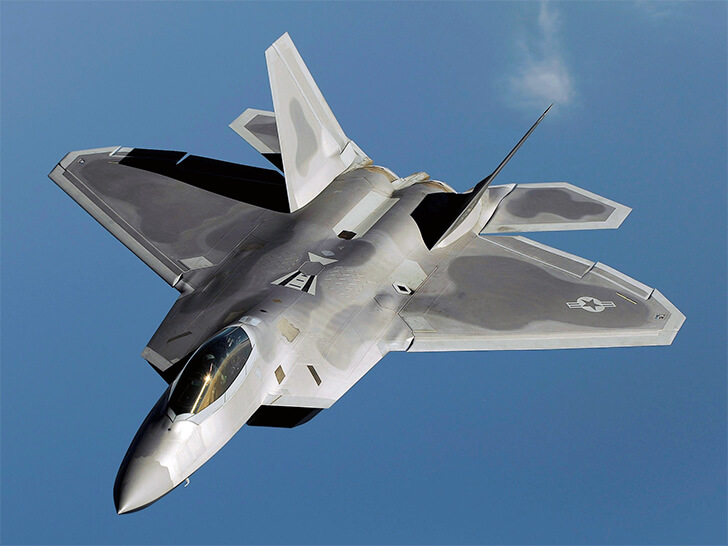
Shifting focus to a significant investment that proved worthwhile, we examine the Lockheed Martin F-22 Raptor fighter jet. With a flyaway cost of approximately $150 million per unit (and a total program cost per airframe of $350 million), this aircraft has justified its substantial cost. It plays a crucial role in the Global Strike Task Force and remains unparalleled by any other fighter jet.
The aircraft excels in striking surface targets and can maintain supersonic flight. The F-22 Raptor is equipped with an array of weaponry, including two 1,000-pound Joint Direct Attack Munitions and a pair of medium-range missiles.
Northrop Grumman B-2 Spirit – Price: $2 Billion
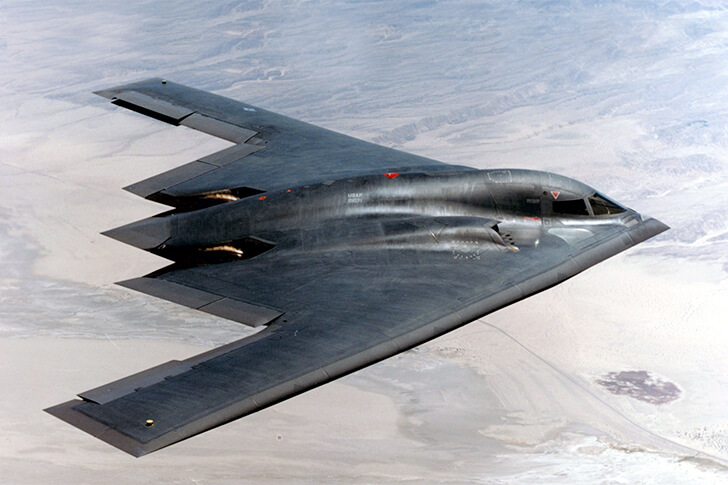
The Northrop Grumman B-2 Spirit resembles a craft from a science fiction film. Its performance matches this appearance. Designed as a flying wing, the aircraft is almost invisible to radar systems despite its 69-foot length and 172-foot wingspan.
Additionally, the B-2 Spirit operates with minimal noise, remaining unheard until it has already flown past. These features distinguish the stealth bomber as exceptional within military circles. Approximately 19 of these aircraft remain in the active fleet following a 2022 crash and subsequent retirement of older frames.
Expeditionary Fighting Vehicle (EFV) – Price Tag: $24 Million
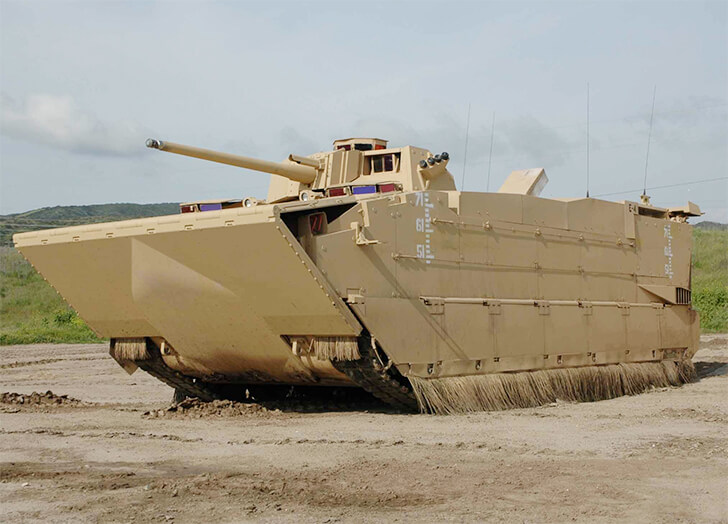
Intended as the successor to the Amphibious Assault Vehicles (AAVs) from the 1970s, the Expeditionary Fighting Vehicle (EFV) was crafted to operate directly from a naval vessel to land. Despite extensive development and investment, production of the EFVs ceased in 2011 due to escalating pricing and reliability issues.
Capable of carrying 17 Marines ready for combat during inland operations, each EFV was projected to cost $24 million. Concerns arose that fulfilling the initial order of 1,025 units would significantly drain the Marines’ budget allocated for ground forces.
Lockheed Martin F-35 Lightning II – Price: $82.5 Million to $110 Million (depending on variant)
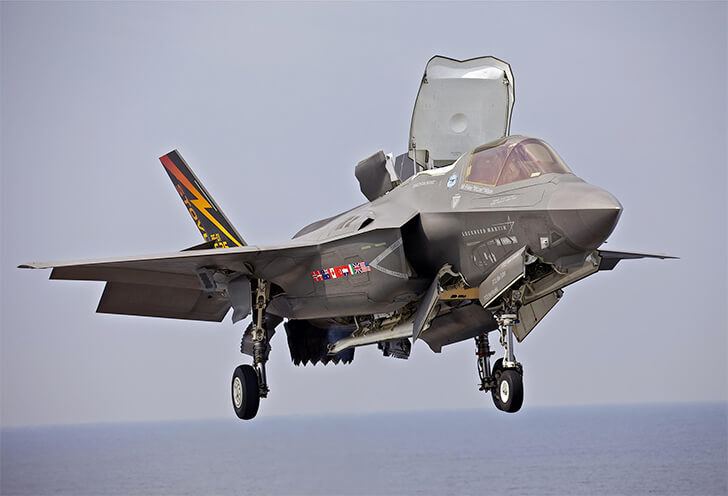
The Lockheed Martin F-35 Lightning II is hailed as a pivotal element in modern global defense strategies. Since its inception in 1992, it has become integral to the military aviation forces of 13 nations. This fighter jet is designed to be both highly effective and secure, equipped with cutting-edge capabilities that give pilots a significant edge in combat situations.
Despite its impressive features, the F-35's development has been marked by substantial expenses, with total costs reaching $1.6 trillion over its lifespan. Nevertheless, this investment has yielded tangible results. By 2015, ten units of the F-35B variant were officially deemed ready for combat operations.
Virginia-Class Submarine – Cost: $3.4 Billion
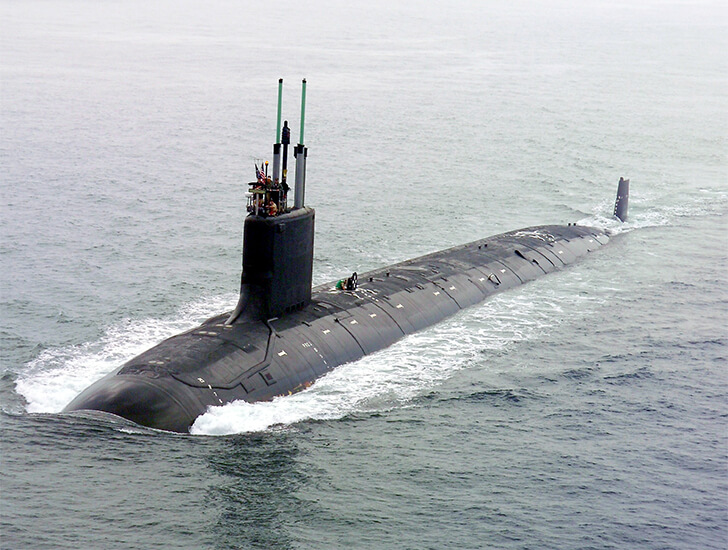
Stretching 377 feet in length and weighing 7,300 tons, the Virginia-class submarine was developed to succeed the Navy's Los Angeles-class submarines. It offers a more compact, cost-effective option than the Seawolf-class submarine, which is also nuclear-powered. By 2021, the Navy had acquired 34 units of the Virginia-class since its inception in 1998.
This class of submarines can reach speeds of up to 25 knots and is equipped with cutting-edge technology for arms and intelligence operations. Their main role is to target and eliminate enemy vessels and rival submarines.
USS America – Price Tag: $3.4 Billion
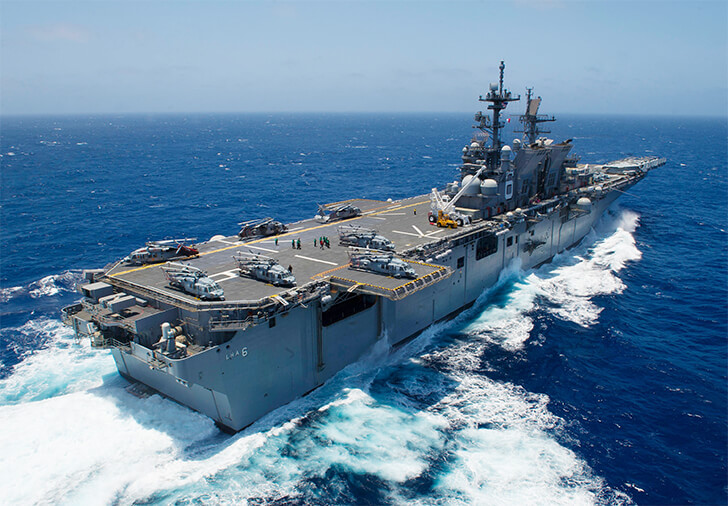
The name USS America has been assigned to several vessels over time. The most recent is an amphibious assault ship built by Northrop Grumman and delivered in 2014. Spanning 843 feet, this ship can house more than 3,000 crew members and boasts numerous facilities.
The present USS America, the fourth vessel with this designation, not only transports aircraft but also provides maintenance services for them. This military ship includes a hospital, fuel reserves, and aviation support sections onboard. Consequently, it can assist international naval forces during emergencies.
USS Zumwalt – Price Tag: $7 Billion
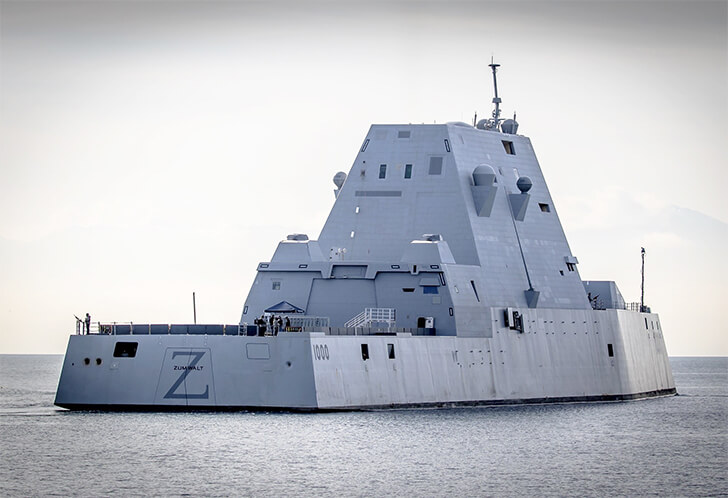
Transitioning from a support vessel to an offensive powerhouse, the USS Zumwalt stands as the pinnacle of modern naval warfare technology. It features cutting-edge innovations, including an electric propulsion system and a stealthy exterior design.
The ship’s primary strategy is to approach coastal areas to deploy its formidable weaponry. While originally designed for a rail gun, the Navy pivoted in 2023 to outfit the Zumwalt class with Conventional Prompt Strike (CPS) hypersonic missiles. Construction of the USS Zumwalt commenced in 2009 and was launched in 2013.
Sikorsky CH-53K King Stallion – Price: $131 Million
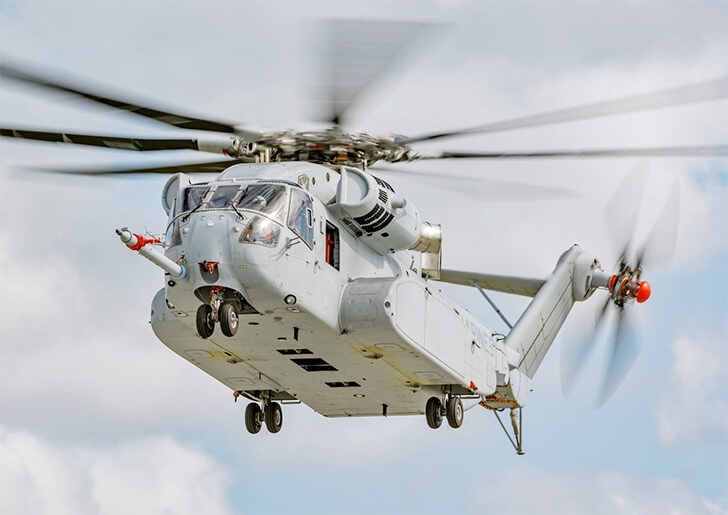
Including taxes and fees, the Sikorsky CH-53K King Stallion carries a hefty price tag of $131 million each. The Marine Corps plans to acquire 200 of these robust helicopters as it aims to phase out its aging Super Stallions by 2029, making the endeavor expensive.
This financial challenge has not deterred the military from steadily incorporating the T408-GE-400 engine-equipped helicopters into its ranks. By 2021, the Marine Corps was actively testing four CH-53K King Stallions in anticipation of their official deployment in 2023.
General Atomics MQ-9 Reaper – Cost: $56.5 Million
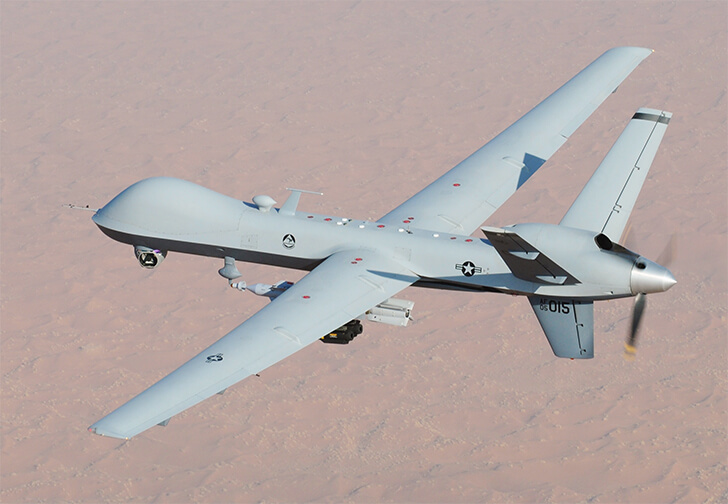
Unlike the other aircraft we've examined, the General Atomics MQ-9 Reaper is controlled remotely. Outfitted with numerous data-gathering tools, such as a monochrome daylight TV camera, it is primarily used for reconnaissance but can also execute strike operations.
This unmanned aerial vehicle serves as the United States Air Force's primary offensive weapon, and it's easy to see why. The MQ-9 Reaper can undertake 24-hour missions thanks to its external fuel tanks, which can hold up to 1,300 pounds of fuel.
M1A2 Abrams – Price: $6.21 Million
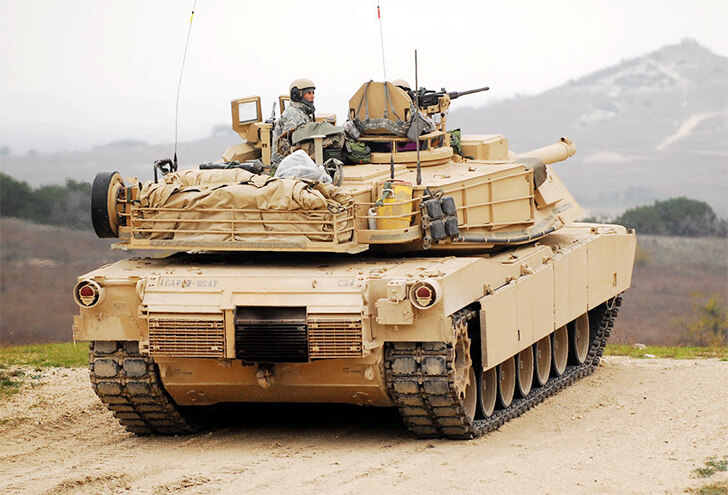
Although designed in the 1990s, the M1A2 Abrams remains one of the most advanced tanks in the world. While it closely resembles the earlier M1A1 model on the exterior, its state-of-the-art enhancements lie beneath the surface. An AGT1500 gas turbine engine, initially crafted for helicopters, powers the M1A2 tank.
This armored vehicle requires a team of four to operate effectively, granting them access to its extensive weaponry. Among its arsenal is an M256 120 mm smoothbore cannon; this manually operated weapon is reputedly more dependable than the automatic loaders found in other tanks.
Northrop Grumman MQ-4C Triton – Price: $120 Million
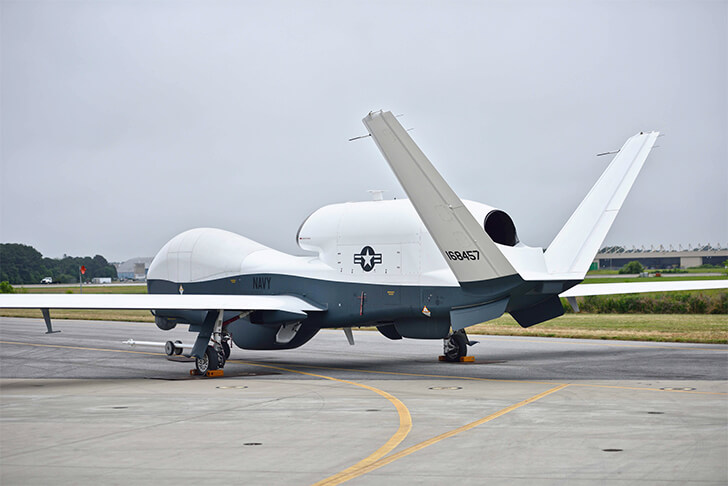
The Northrop Grumman MQ-4C Triton, as its name suggests, is a drone designed for monitoring maritime and coastal areas. Capable of operating continuously around the clock every day, it plays a critical role in delivering immediate intelligence to naval forces.
Introduced in 2014 at a price tag of $120 million, the MQ-4C Triton is equipped with a turbofan engine from Rolls-Royce, known for luxury automobiles. Its advanced de-icing system and lightning resistance enable it to perform in any weather condition. It's no wonder that the Australian military has also procured this high-altitude surveillance aircraft.
Boeing AH-64 Apache – Price: $13 Million
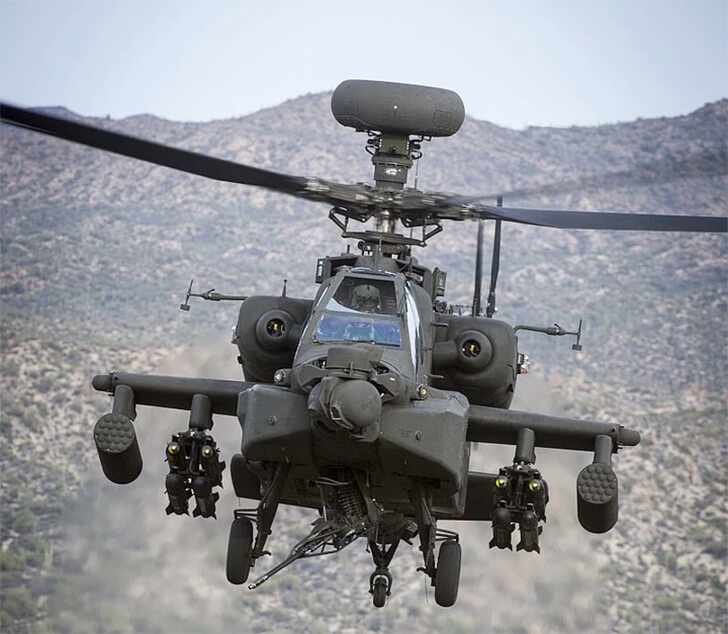
The AH-64 Apache, crafted by Boeing, was built with resilience in mind. The company succeeded, as this helicopter has become the United States Army's primary all-weather aircraft. The Apache fulfills its role as an assault helicopter, featuring the Longbow fire-control radar system.
This advanced system enables pilots to identify and categorize enemy targets, whether they are in motion or stationary. Additionally, the AH-65 Apache is equipped with a combination of rocket pods and missiles. Since its initial flight in the 1970s, Boeing has continuously upgraded the helicopter, incorporating slots for modern electronics.
Bell AH-1Z Viper – Price: $17.6 Million
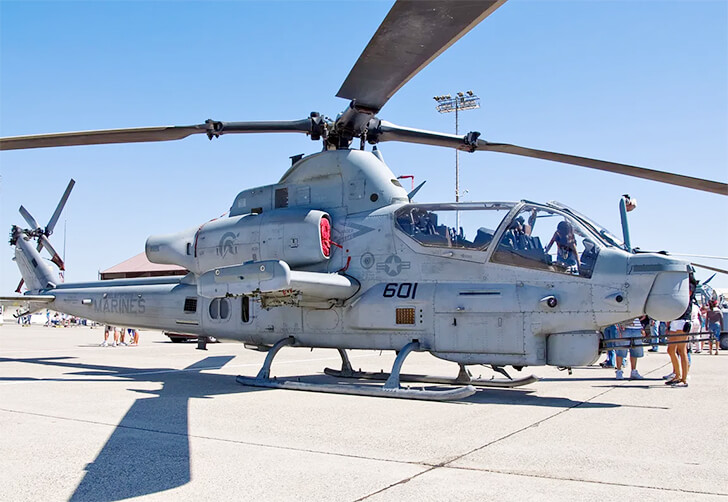
The Bell AH-1Z Viper is another helicopter designed to operate in any weather condition. It serves the United States Marine Corps similarly to how the AH-64 Apache serves the Army. This versatile aircraft can conduct missions at any time of day and in challenging weather, all while transporting loads up to 5,764 pounds and reaching speeds of 222 knots.
Given its capabilities, it's understandable why the U.S. military ordered 25 new AH-1Z Vipers in 2019. The deal was valued at nearly half a billion dollars. When you do the math, this purchase is more budget-friendly compared to other military vehicles we've mentioned previously.
General Atomics MQ-1 Predator – Cost: $20 Million
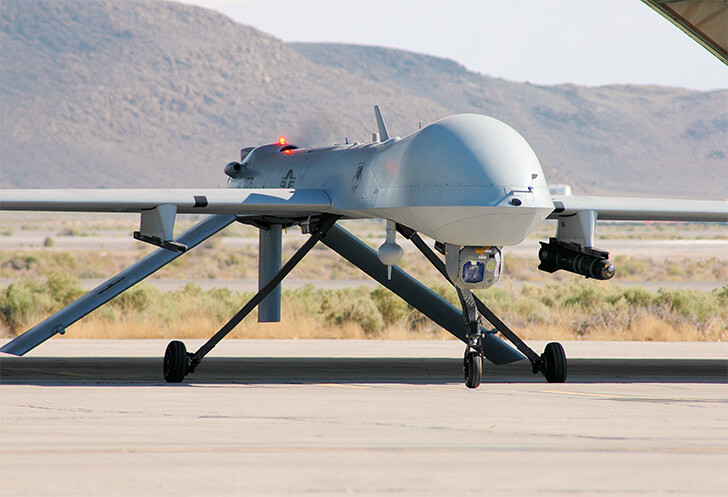
The United States Department of Defense sought a combat vehicle capable of both reconnaissance and attack, leading to the development of the General Atomics MQ-1 Predator. This aircraft was introduced to the Air Force in 1996 and has proven invaluable, achieving over one million hours in development and operational missions by 2011.
However, its operational history includes some setbacks. In 2017, two MQ-1 Predators experienced crashes within a single week. An investigation revealed that a satellite link failure caused the second crash.
Northrop Grumman RQ-4 Global Hawk – Price: $176 Million
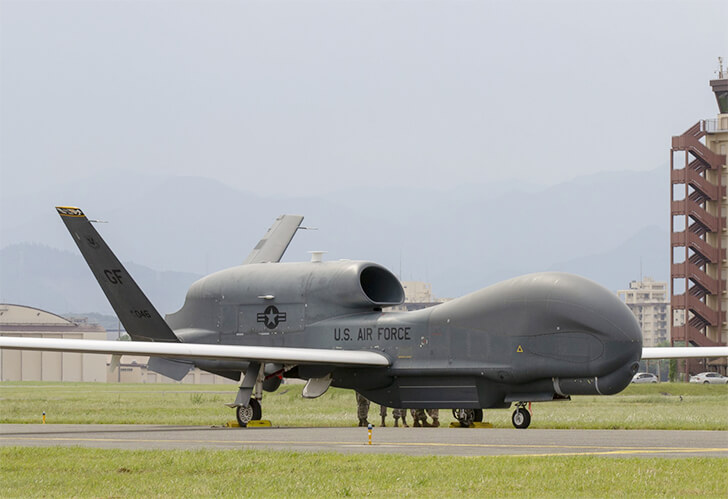
The Northrop Grumman RQ-4 Global Hawk stands out as a remarkable aerial vehicle. One of its notable features is the ability to soar up to 60,000 feet, nearly double the altitude achievable by commercial airliners. This stealth drone originated as a concept demonstration back in 1995 and has been actively participating in operational missions since the early 2000s.
Despite being newer than military equipment from the 1970s, the Air Force has sought to phase out its oldest RQ-4 Global Hawks since 2012. Advocates for this decision claim that these drones may not withstand future combat scenarios.
Boeing MQ-25 Stingray – Cost: $120 Million (Flyaway cost); $201 Million (Program unit cost).
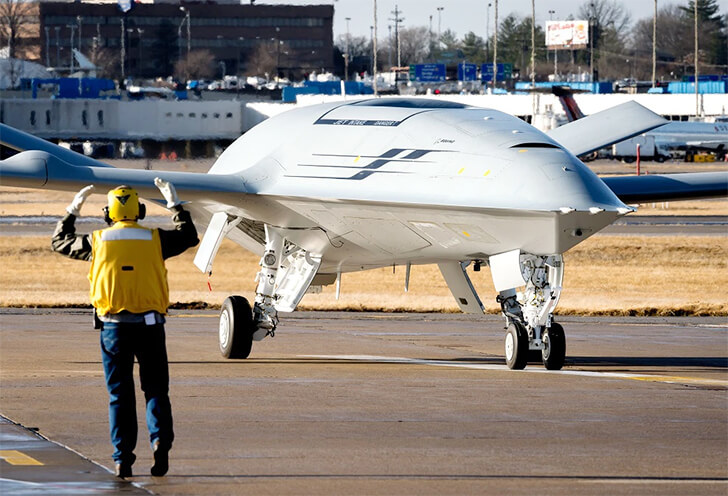
The Boeing MQ-25 Stingray lives up to its evocative name as a military machine. Its 75-foot wingspan and distinctive curved front give it a look reminiscent of the oceanic creature. Much like the stingrays found in nature, this unmanned aerial vehicle is not designed for combat.
Its primary role is to serve as a support aircraft, providing refueling for Boeing's operational military fighter aircraft. In terms of fuel capacity, the MQ-25 can carry 15,000 pounds of fuel for a range of 500 nautical miles. This impressive capability is powered by a turbofan engine crafted by Rolls-Royce's aerospace division, known for its luxury automobile manufacturing.
Mine-Resistant Ambush-Protected (MRAP) Vehicle – Price: $500,000 to $1.1 Million (depending on the model and armor package).
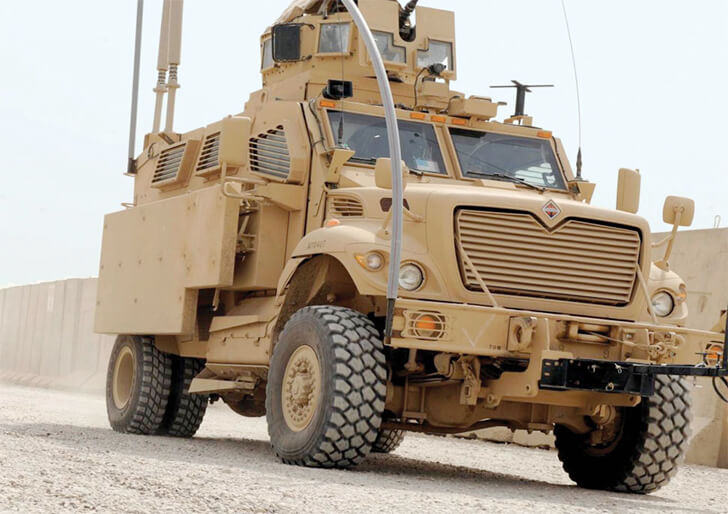
Shifting the focus from aerial to terrestrial vehicles, we delve into mine-resistant ambush-protected (MRAP) vehicles. The purpose of these machines is clear from their designation. They provide military personnel with a shielded and secure transport option when traversing perilous zones.
Built to endure numerous forms of assault, including explosive devices beneath them and grenades launched from rocket tubes, MRAPs have been continually updated to match advancements in warfare technology. Some models are even equipped to function as armored medical transport units. These vehicles can operate over distances reaching up to 370 miles.
Boeing T-7 Red Hawk – Price: $262 Million
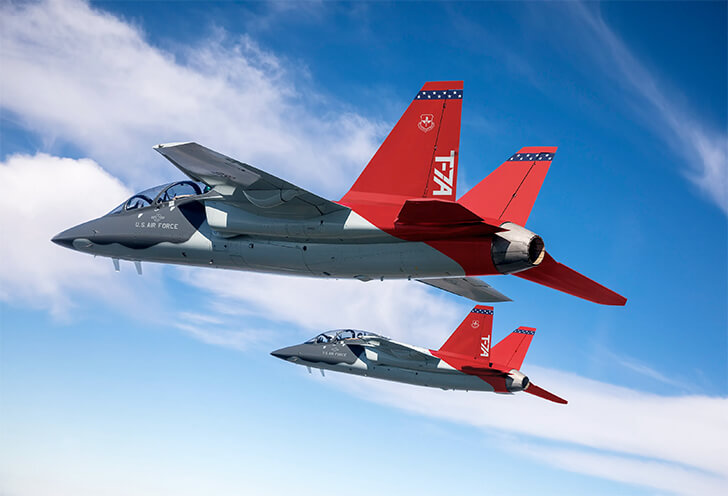
The Boeing T-7 Red Hawk is unlikely to be seen in combat, unlike the other aircraft we've mentioned. This is because it serves mainly as a training jet for the United States Air Force, allowing pilots to practice. Integrated virtual simulators provide both instructors and learners with an authentic fighter jet flying experience.
Developed by Boeing in collaboration with Saab—a Swedish aerospace firm that once explored car production—the T-7 Red Hawk features an aft fuselage produced by Saab. In 2018, the Air Force finalized a deal with Boeing to acquire 351 trainer jets and 46 simulators.
Northrop Grumman B-21 Raider – Price: Approximately $750 Million per unit (adjusted for inflation)

Upon completion, the Northrop Grumman B-21 Raider will become the first new bomber introduced to the United States Air Force since the late 1980s. This aircraft has been designed to compete with comparable systems used by Russia's and China's military forces.
The B-21 Raider takes its name from the B-25 bombers that targeted Tokyo in 1942. Its unique appearance comes from merging its wings with its main body, a design that omits rear stabilizers. This innovative shape enhances its ability to evade enemy radar detection.
Seawolf-Class Submarine – Price Tag: $3.5 Billion
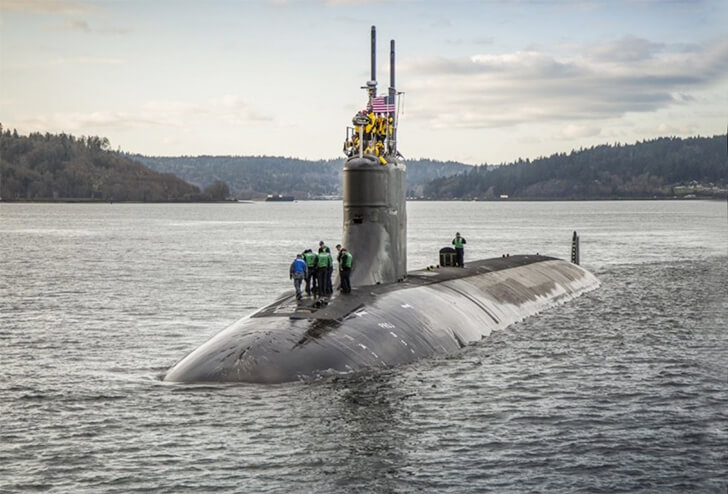
Developed during the closing stages of the Cold War, the Seawolf-class submarine was intended to be a superior version of the Los Angeles-class submarines. It boasted capabilities such as reaching speeds of 35 knots and navigating through icy waters. However, its hefty price led the U.S. Navy to alter its strategy.
To manage costs, they chose to invest in Virginia-class submarines, which are more budget-friendly and were covered earlier. Of the initial plan for 29 Seawolf-class submarines, only three were built. These are expected to remain operational for many years since they were constructed with future upgrades in mind.
M60 Patton Tank – Cost: $1.3 Million
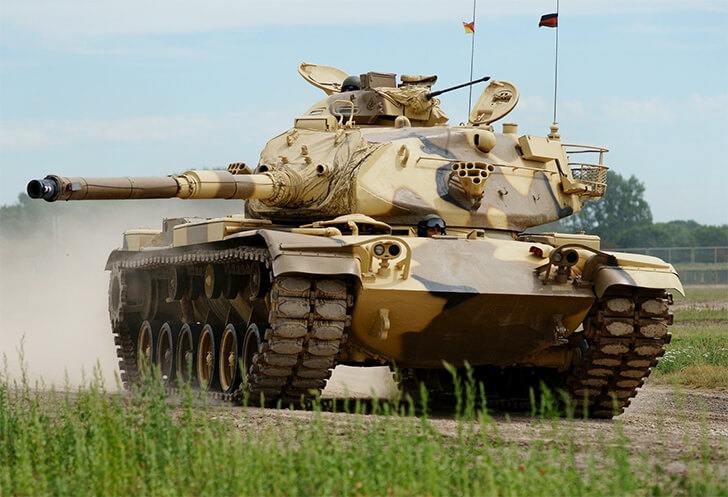
The M60 Patton tank has a long-standing history. Initially rolled out in the late 1960s, it was intended as a short-term solution for America's armored vehicle requirements. Over time, its original blueprint was modified multiple times, and these updated versions were distributed to various countries.
By 2019, approximately 17 countries had incorporated M60 Patton tanks into their military forces. Egypt is one of the prominent users with a fleet exceeding 1,000 units. Its enduring presence is due to its design as a versatile medium tank that boasts the capabilities typical of heavier models. It certainly holds a notable position in the annals of military history.
M3A3 Bradley – Price: $3.2 Million
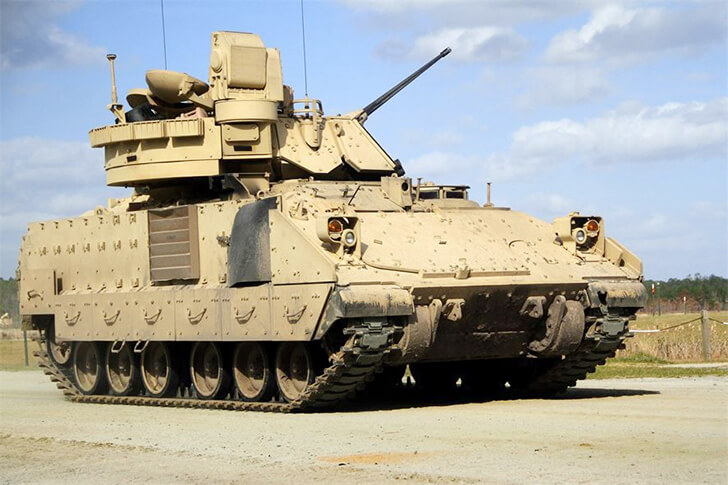
The M3A3 is part of the Bradley series of combat vehicles. It is notable for its improved firepower and safety features when moving across active battle zones. This vehicle can reach up to 45 miles per hour and cover roughly 300 miles on a full tank.
Originating before the Vietnam War, the Bradley Fighting Vehicles have been around for decades. The M3A3 variant was created as part of the U.S. Army's push towards digital integration. It includes a communication system capable of handling digital maps and transmitting various data types. By 2021, plans were underway to phase out the M3A3 in favor of the Optionally Manned Fighting Vehicle (OMFV).
Joint Light Tactical Vehicle (JLTV) – Cost: $395,000
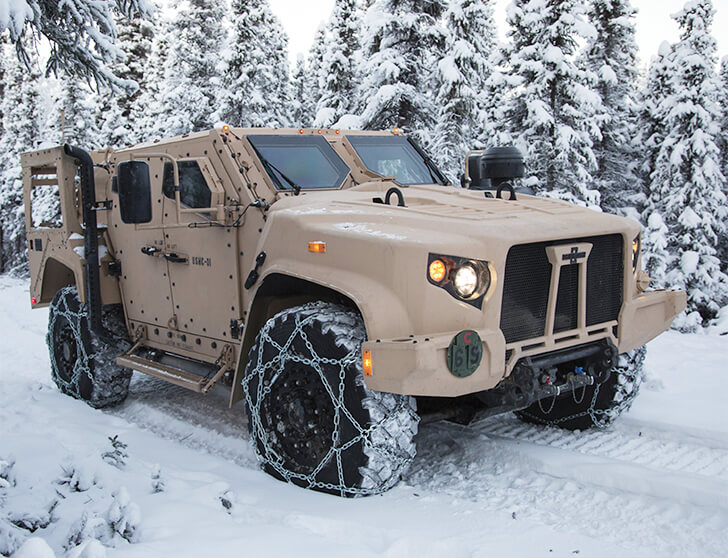
The Oshkosh Corporation developed the Joint Light Tactical Vehicle (JLTV) for the U.S. Army as a versatile military asset. This vehicle comes in multiple versions, serving roles such as transporting heavy weaponry, acting as a utility transport, and carrying close-combat arms.
Built to meet the Army's battlefield transportation requirements, JLTVs are set to replace the currently used Humvees. By the end of 2020, approximately 9,500 units had been delivered. Since Oshkosh first shipped a JLTV in 2016, they have received an additional order for 2,738 more vehicles.
AAVP7A1 Amphibious Assault Vehicle – Price: $2.5 Million
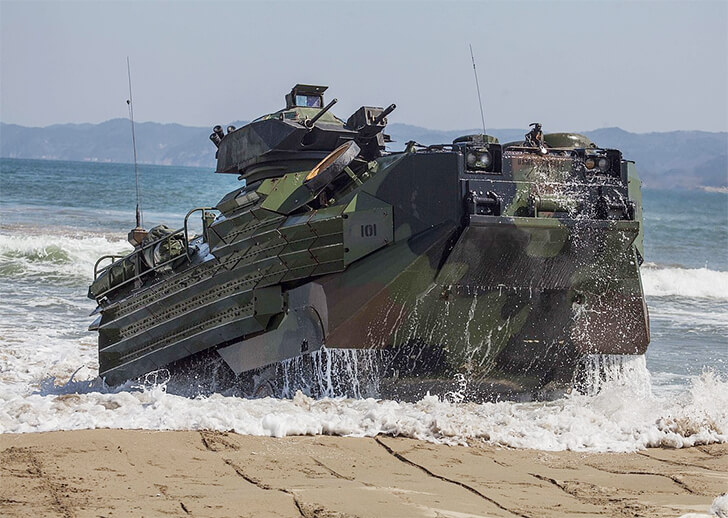
The AAVP7A1 belongs to the BAE Systems' lineup of AAV7A1 vehicles. This series of Assault Amphibious Vehicles has its origins in 1932 with the creation of the Roebling Alligator. Unlike the underwhelming performance of its predecessor, the Alligator, the AAVP7A1 represents a significant improvement.
Capable of reaching eight miles per hour on water and 45 miles per hour on land, this vehicle is operated by a crew of three and can transport 25 Marines from sea to shore without issue. It stands out as one of the most adaptable vehicles in the Marine Corps, suitable for both beach assaults and refueling.
Japan’s F-35 Lightning II – Price Tag: $220 Million
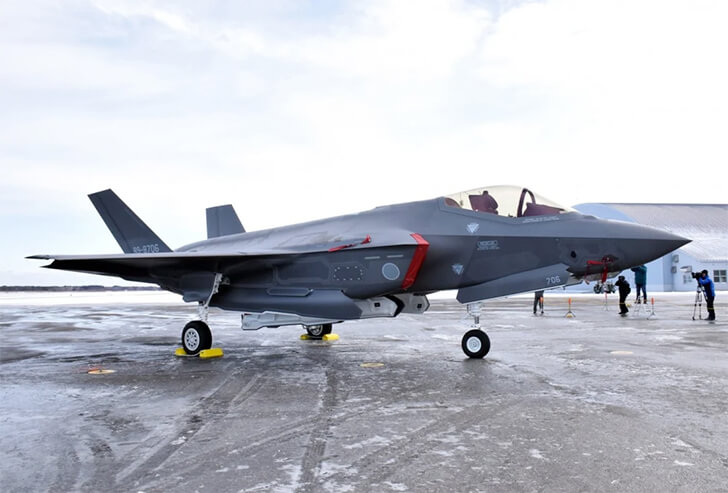
The United States isn't the sole nation crafting remarkable military machines. Japan, once an adversary in World War II, is also making significant strides. One of the standout acquisitions is the F-35 Lightning II. This Asian nation completes the final assembly of these jets at its Komaki South FACO facility located in Nagoya.
Japan's fleet consists of 147 F-35 aircraft. However, this count excludes one lost in a 2019 crash. The downed fighter jet, which was eventually recovered from the Pacific Ocean, holds the distinction of being the first F-35 assembled domestically.
M1117 Armored Security Vehicle (ASV) – Cost: $800,000
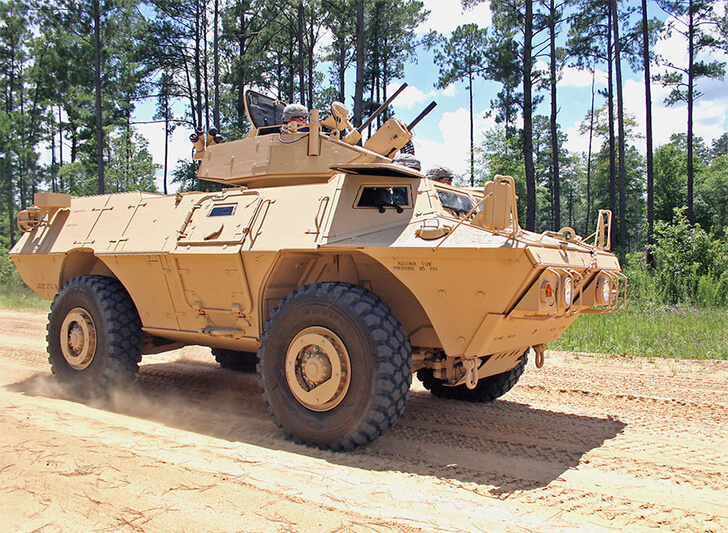
The M1117 Armored Security Vehicle (ASV) is a versatile, all-terrain vehicle employed by the Army’s military police. Capable of reaching speeds up to 70 miles per hour and equipped with weaponry weighing 3,600 pounds, it provides both offensive power and protection for its crew.
Thousands of these vehicles have been offered for sale internationally by the U.S. Army's police forces. Greece, which faced severe financial challenges in the past, received approval to purchase 1,200 ASVs in 2020. The transaction price was $83,700 each, a significant discount compared to the original manufacturing cost of the M1117.
Stryker Armored Personnel Carrier – Cost: $4.9 Million
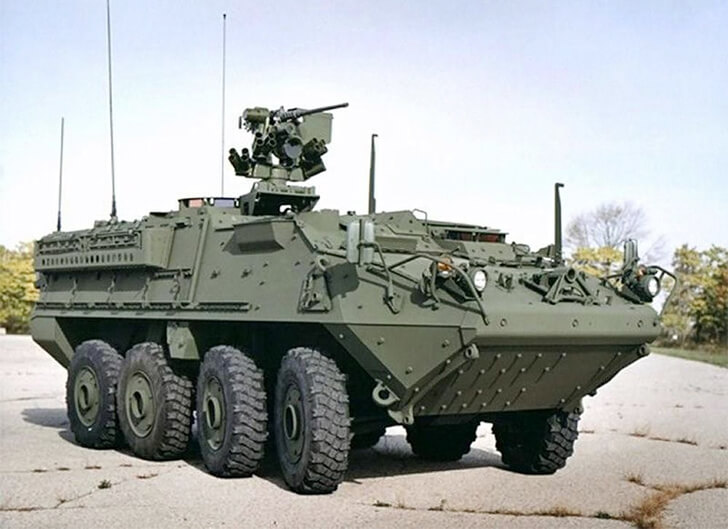
The Stryker Armored Personnel Carrier is part of a series of eight-wheeled combat vehicles. It is said to surpass its Russian and Chinese counterparts in passenger safety. This carrier is equipped with advanced armor that guards against explosive threats.
Additionally, it can endure impacts from both heavy machine gunfire and NATO-standard rounds. Beyond defense, the Stryker is also built for offense, featuring either a grenade launcher or a machine gun within its weapon system.
Northrop Grumman E-2 Hawkeye – Price: $80 Million
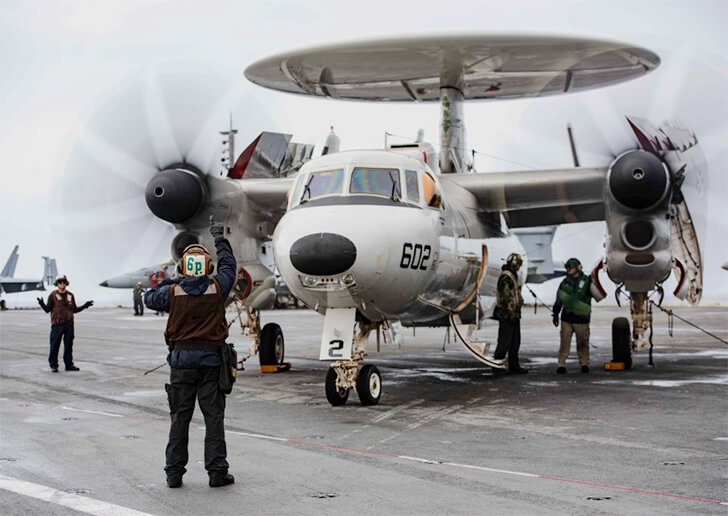
The United States Navy relies heavily on the Northrop Grumman E-2 Hawkeye. This aircraft is crucial for alerting naval forces to incoming aerial threats and for providing fighter jets with precise location details. It performs these tasks while soaring at a remarkable altitude of 25,000 feet.
Debuting in the 1960s, the E-2 Hawkeye has undergone numerous upgrades, such as the E-2D Advanced and E-2C versions. The E-2D boasts enhanced technological capabilities, featuring an upgraded radar system and a state-of-the-art communications suite. Today, the E-2D Advanced Hawkeye plays a vital role in the Navy’s missile defense strategy.
LAV-25 – Price: $900,000
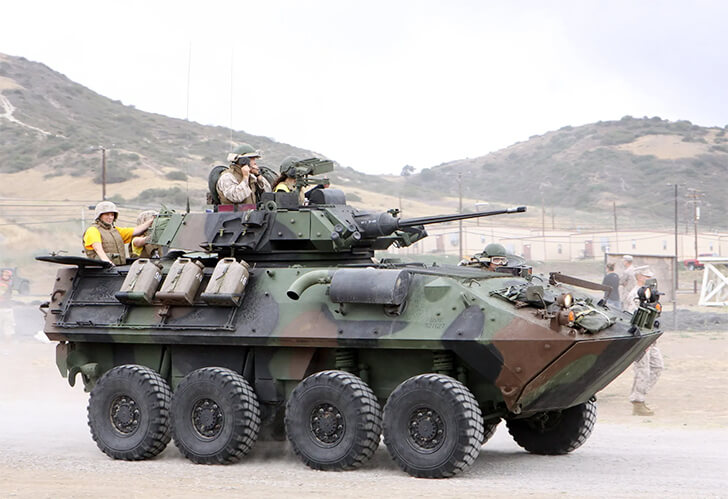
The Marine Corps continues to rely on the Lav-25 Light Armored Vehicle, one of its longest-serving assets. Its enduring service is understandable given its versatility across roles such as reconnaissance and attack operations. This vehicle is engineered for both terrestrial and aquatic environments and can transport weaponry along with other military gear.
Despite its longstanding utility, the Marine Corps is preparing to transition to a new model by investing in a successor to the LAV-25. In 2021, it began soliciting designs for an Advanced Reconnaissance Vehicle prototype, aligning with the Force Design 2030 strategy.
USS Jefferson City – Price Tag: $900 Million
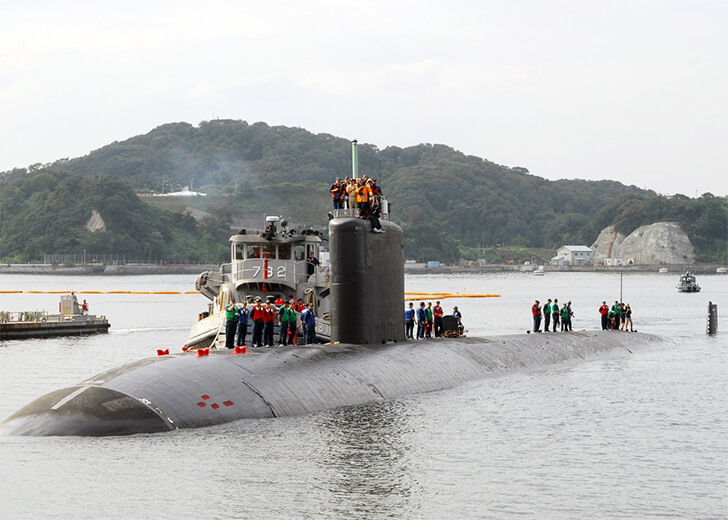
The USS Jefferson City, sharing its name with Missouri's capital, is a swift attack submarine that entered service in 1992. It excels in various roles, including strike missions and countering enemy submarines. Roughly 140 sailors crew this Los Angeles-class vessel.
In 2020, the USS Jefferson City experienced a leadership transition when Robert McDowell Jr. assumed the role of captain. The latest information indicates it was placed on duty from Pearl Harbor, Hawaii, to the Indo-Pacific region in 2021. No matter where it sails, this submarine holds a special place for the people of Jefferson City, who have warmly welcomed its crew on numerous occasions.
Cougar 4×4 – Price: $475,000
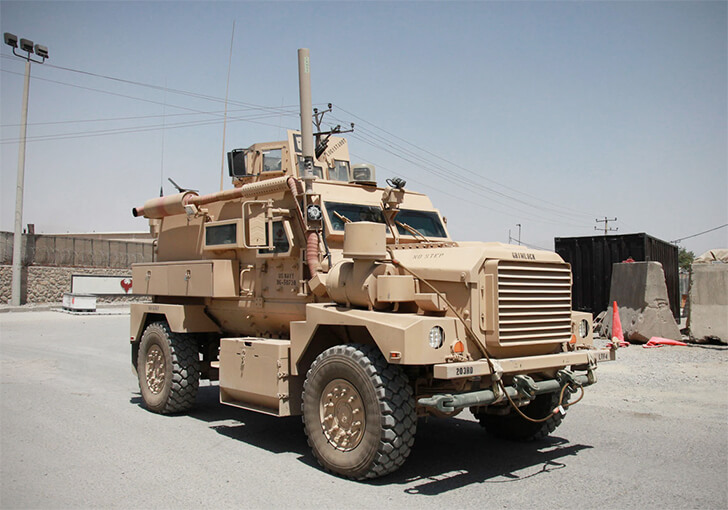
The Cougar 4×4 is a Mine-Resistant Ambush Protected (MRAP) vehicle engineered to endure attacks from improvised explosive devices (IEDs). Equipped with several machine guns, the Cougar entered service in 2004 and is predominantly used by the United States Army and Marine Corps.
This vehicle is also employed internationally. For instance, Poland uses approximately 40 Cougars on loan from the United States. Similarly, the United Kingdom possesses hundreds of vehicles derived from the Cougar 4×4 model. Manufactured in America, each MRAP had a production cost of $475,000 back in 2002.
Oshkosh M-ATV – Price: $470,000
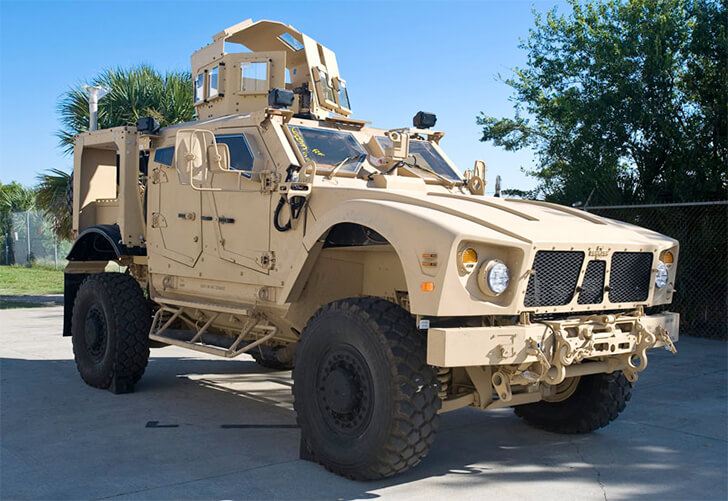
The Oshkosh M-ATVs were produced with remarkable efficiency and minimal issues. After securing the contract to build the all-terrain MRAP in 2008, Oshkosh reached a monthly production rate of 1,000 units by late 2009. One standout feature is its use of the TAK-4 independent suspension system, which enhances the vehicle's superior mobility.
Like other military ground vehicles, it serves multiple roles. It can be deployed across different combat zones, handling tasks ranging from transporting weapons to serving as an ambulance for wounded soldiers. The Oshkosh has proven its durability in combat, having been successfully utilized in Afghanistan missions.
Boeing EA-18G Growler – Cost: $67 million
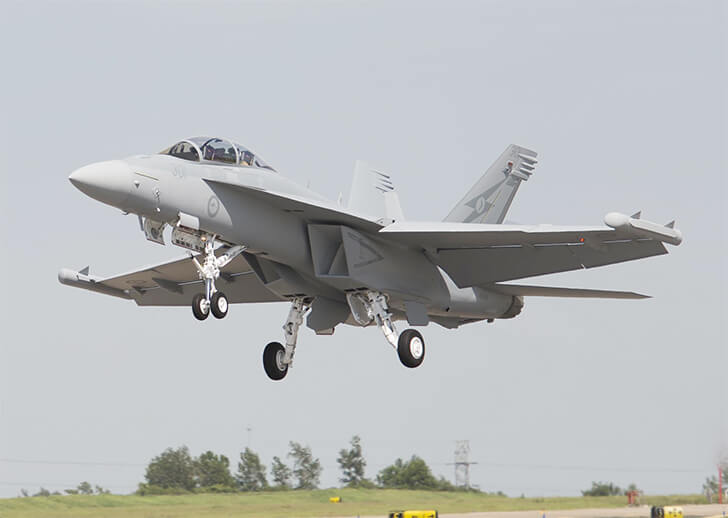
Designed as the successor to the Navy's EA-6B Prowler, the Boeing EA-18G Growler serves as an airborne electronic attack (AEA) aircraft. Its primary role is to execute electronic warfare operations and neutralize enemy air defenses in the early phases of conflict. This plane is capable of performing these tasks from either land bases or aircraft carriers.
The design of the EA-18G Growler draws from the F/A-18F Super Hornet, integrating its structure with advanced electronic systems. Boeing delivered the first Growler, which can reach speeds up to 1,217 miles per hour, in 2008.
Boeing P-8 Poseidon – Cost: $201.4 Million
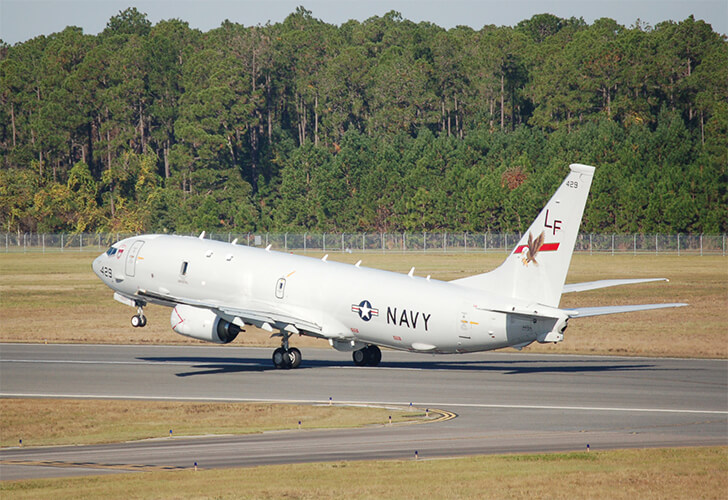
It might be surprising, but the Boeing P-8 Poseidon, a military patrol aircraft, is derived from the Boeing 737 model. This is the same type of commercial aircraft used by airlines such as United Airlines. The P-8 Poseidon was developed to replace the Navy’s fleet of P-3 Orions and serve as its primary anti-submarine warfare aircraft.
Living up to its legendary name, the P-8 Poseidon can inflict significant damage on enemy vessels. It carries a variety of armaments, including torpedoes, bombs, and cruise missiles. These weapons can be launched while the aircraft flies at a speed of 490 knots.
Northrop Grumman E-2D Advanced Hawkeye – Price: $232 Million
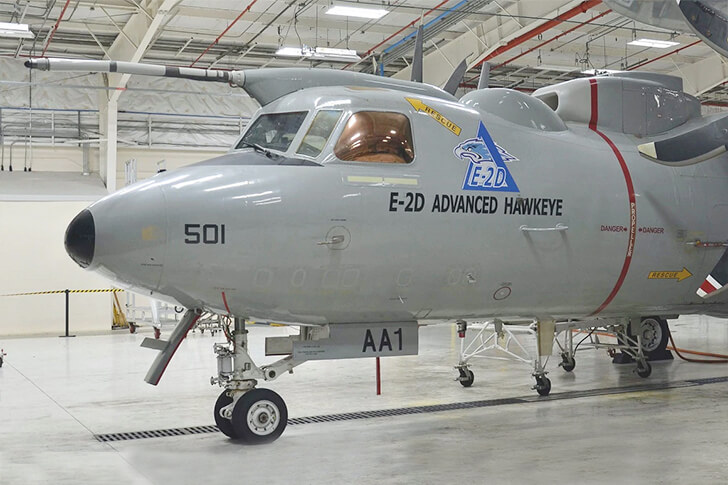
We've previously mentioned the Northrop Grumman E-2D Advanced Hawkeye. Now, let's delve deeper into its features. Known as the "digital quarterback" for aerial operations, it orchestrates attacks while protecting other units in the fleet.
The newest model in the E-2 series, the E-2D Advanced Hawkeye, stretches 57 feet in length and boasts an 80-foot wingspan. Equipped with Rolls-Royce turboprop engines, it can handle a maximum takeoff weight of 57,500 pounds. Despite these specifications, enhancements are ongoing, such as integrating mid-air refueling capabilities.